Chhath Goes Global: Celebrated Across 25+ Locations in Sydney
The Bihari diaspora residing in Sydney, Australia, showcased a spectacular display of cultural commitment by celebrating the sacred Chhath Mahaparv…

Patna, Bihar – Bihar is on the cusp of a major political transformation as Chief Minister Nitish Kumar is slated…


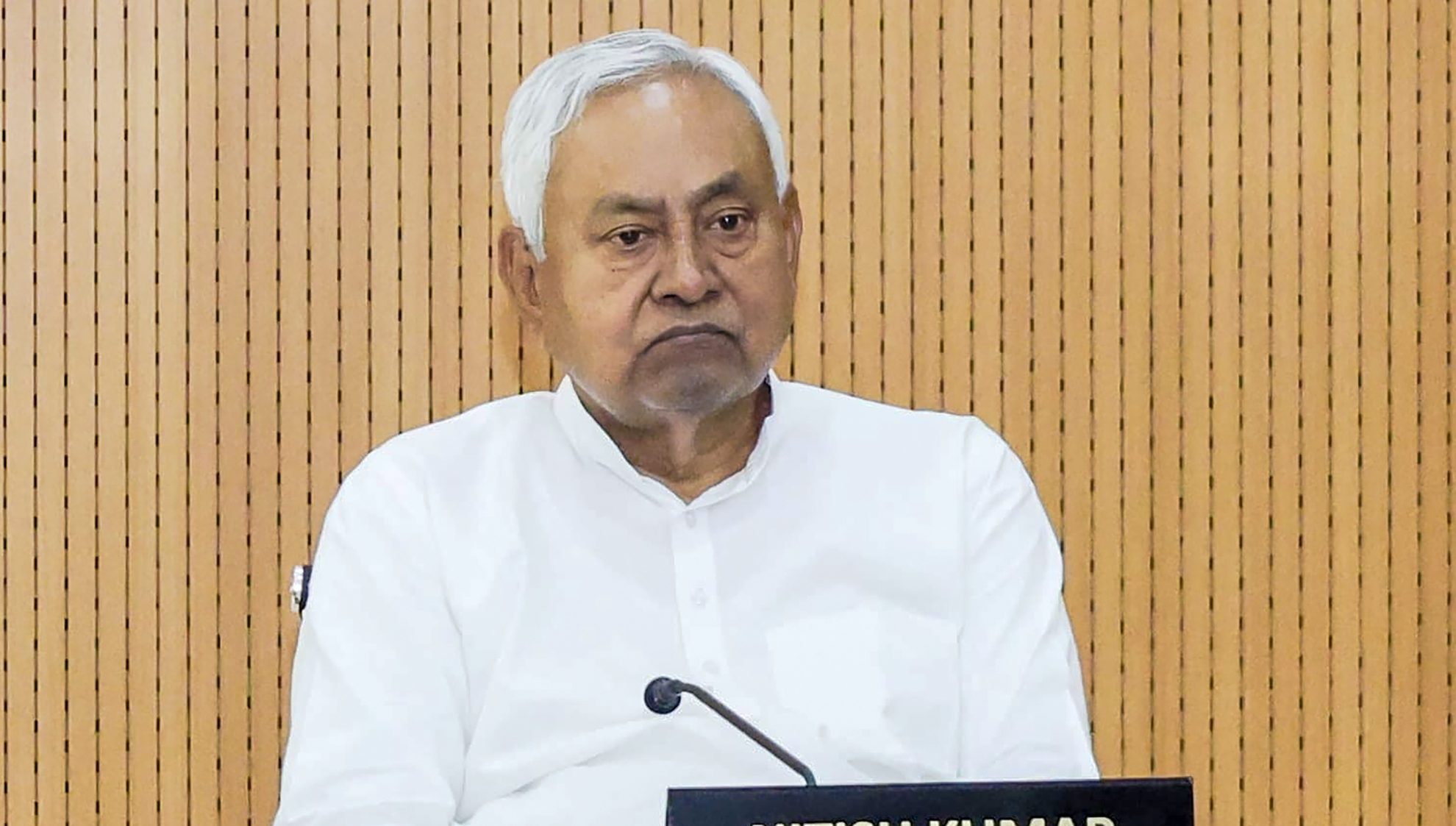
Sushasan Babu" (Man of Good Governance), has been a dominant figure in Bihar politics for over two decades.
Patna, Bihar – Bihar is on the cusp of a major political transformation as Chief Minister Nitish Kumar is slated to resign on April 14, 2026, concluding his nearly two-decade-long tenure at the helm of the state. This move paves the way for the Bharatiya Janata Party (BJP) to appoint its first Chief Minister in Bihar, marking a significant shift in the state’s political landscape , .
Nitish Kumar, a veteran politician often dubbed
“Sushasan Babu” (Man of Good Governance), has been a dominant figure in Bihar politics for over two decades. His political journey has been characterized by strategic alliances and frequent shifts between the BJP-led National Democratic Alliance (NDA) and the Rashtriya Janata Dal (RJD)-led Mahagathbandhan. This fluidity has earned him the moniker “Paltu Ram” from his critics .
Kumar’s decision to step down as Chief Minister follows his election to the Rajya Sabha, the upper house of India’s Parliament. He took his oath as a Rajya Sabha member on April 10, 2026, after resigning from the Bihar Legislative Council on March 30, 2026 , . His move to national politics signifies the end of an era for Bihar, where he has served a record ten terms as Chief Minister .
His final act as Chief Minister will be to chair a cabinet meeting on April 14, 2026, after which he is expected to tender his resignation to Governor Lt Gen (Retd) Syed Ata Hasnain .
The upcoming political transition marks a historic moment for the BJP in Bihar. For the first time, the party is poised to install its own Chief Minister in the state, moving beyond its traditional role as a junior partner in the NDA coalition. This ascendancy reflects the BJP’s growing influence and electoral performance in recent years, where it has consistently outpolled the Janata Dal (United) .
The BJP Legislature Party and the broader NDA Legislature Party are scheduled to meet on April 14, 2026, to formally elect the new leader. The swearing-in ceremony for the new government is anticipated to take place on April 15, 2026, likely at Lok Bhavan .
Samrat Choudhary, currently the Deputy Chief Minister and Bihar BJP President, has emerged as the leading contender for the Chief Minister’s post. Choudhary’s political career has seen him transition from the RJD to the JD(U) before ultimately joining the BJP. His background, particularly his affiliation with the influential Koeri (Kushwaha) community, an important Other Backward Class (OBC) group in Bihar, aligns with the BJP’s strategy to consolidate support among non-Yadav OBC and Extremely Backward Class (EBC) voters .
While Samrat Choudhary is the front-runner, other BJP leaders such as Nityanand Rai, Dilip Jaiswal, Sanjeev Chaurasiya, and Prem Kumar were also mentioned as potential candidates for the top position .
From the JD(U) side, Nishant Kumar, Nitish Kumar’s son, and senior minister Vijay Choudhary are reportedly strong contenders for the Deputy Chief Minister’s role. Nishant Kumar’s recent entry into active politics, after largely staying out of the limelight, suggests a potential succession plan within the JD(U) .
Union Agriculture Minister Shivraj Singh Chouhan has been appointed as the central observer by the BJP high command to oversee the election of the BJP Legislature Party leader .
The formation of a BJP-led government, with the JD(U) as a key ally, will undoubtedly reshape Bihar’s political dynamics. The NDA coalition in Bihar currently comprises the JD(U), BJP, Lok Janshakti Party (Ram Vilas), Hindustani Awam Morcha (Secular), and Upendra Kushwaha’s Rashtriya Lok Samata Party. The opposition, primarily led by the RJD and Tejashwi Yadav, will face a formidable challenge from the newly configured ruling alliance .
This transition will test the stability of the NDA and the future trajectory of the JD(U) in the absence of Nitish Kumar’s direct leadership in state affairs. The coming months will reveal how this new political arrangement impacts governance and electoral strategies in Bihar.
Advertisement